ANU students deliver international conference connecting future Asia-Pacific leaders
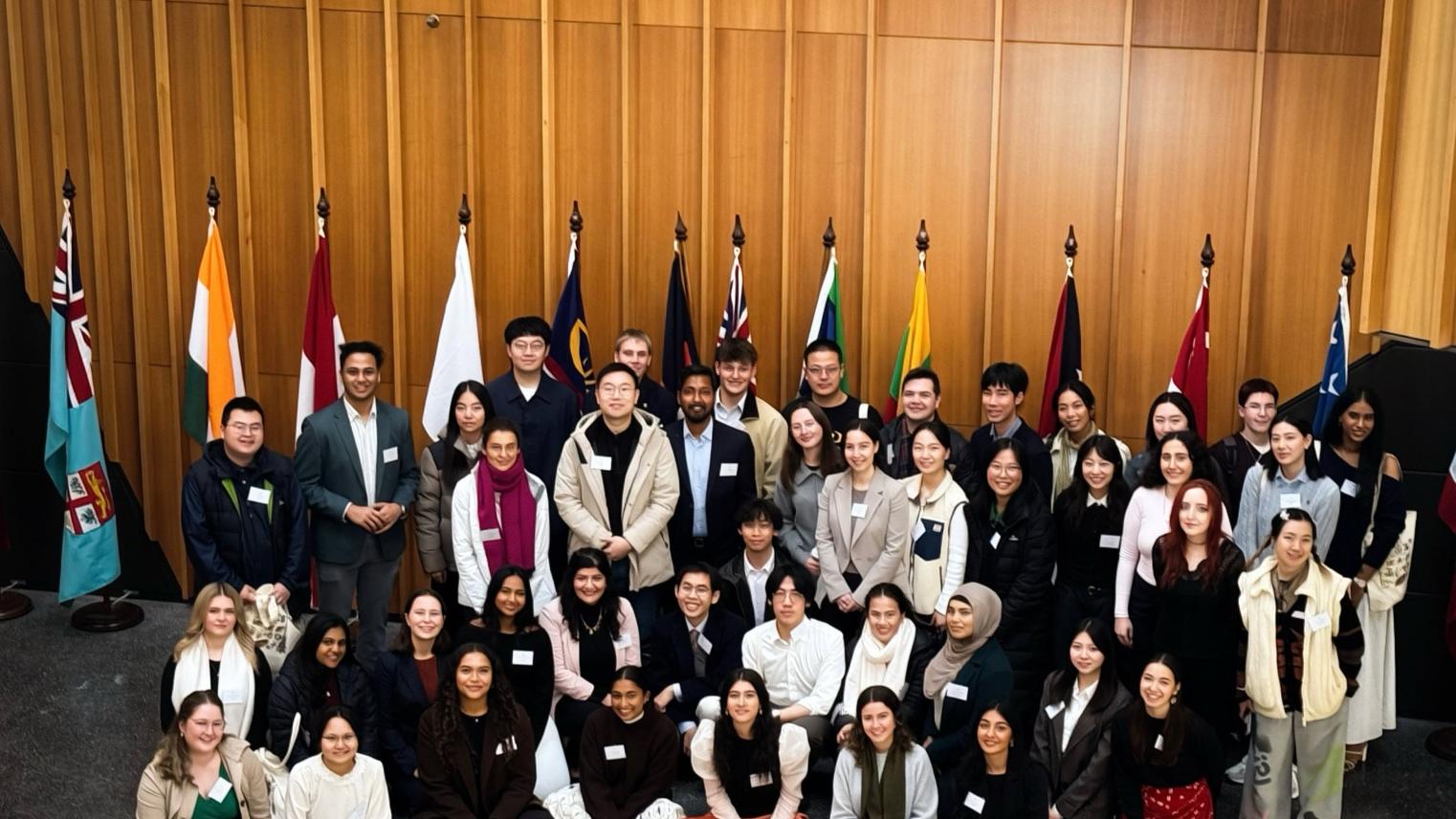
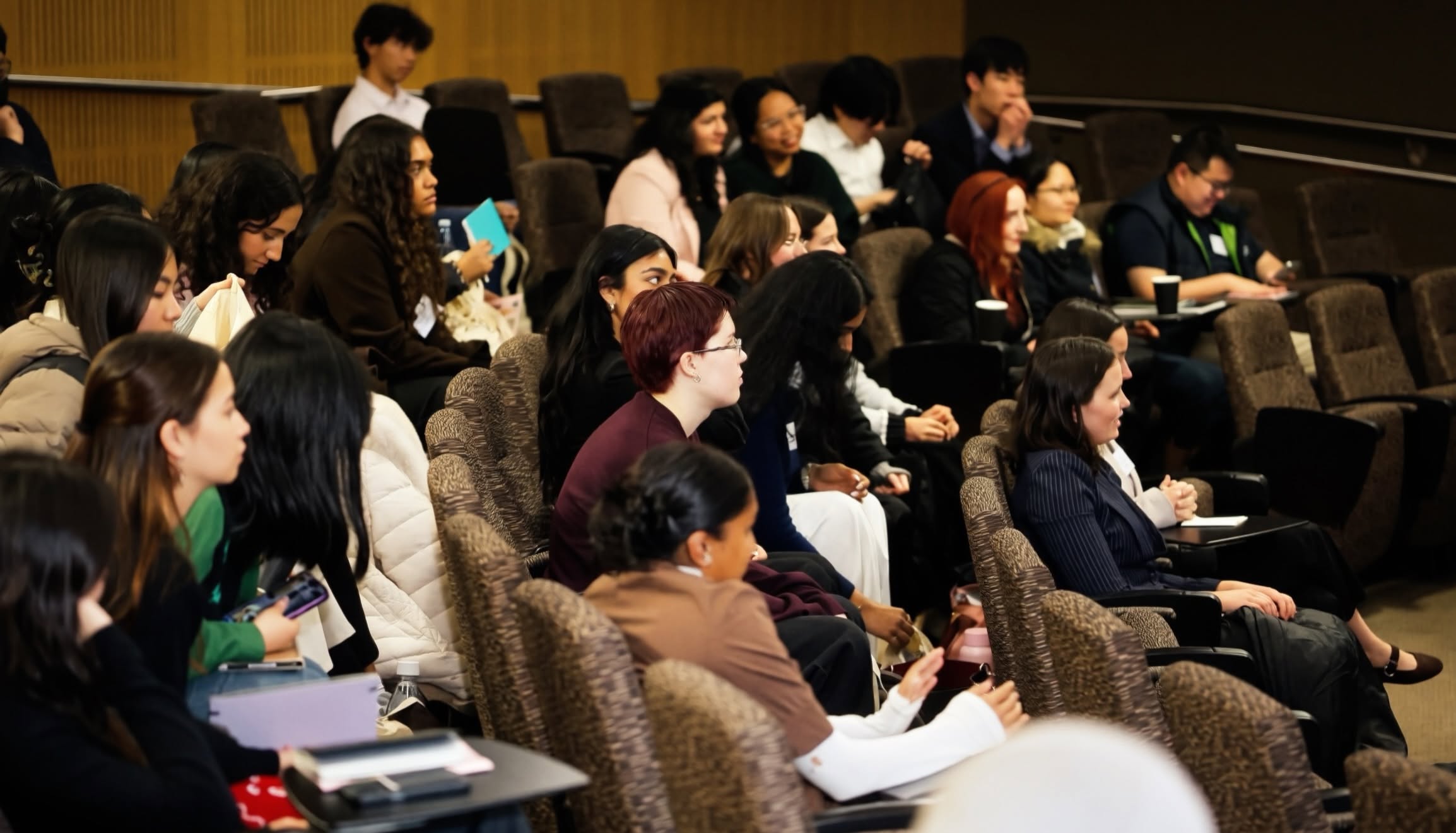
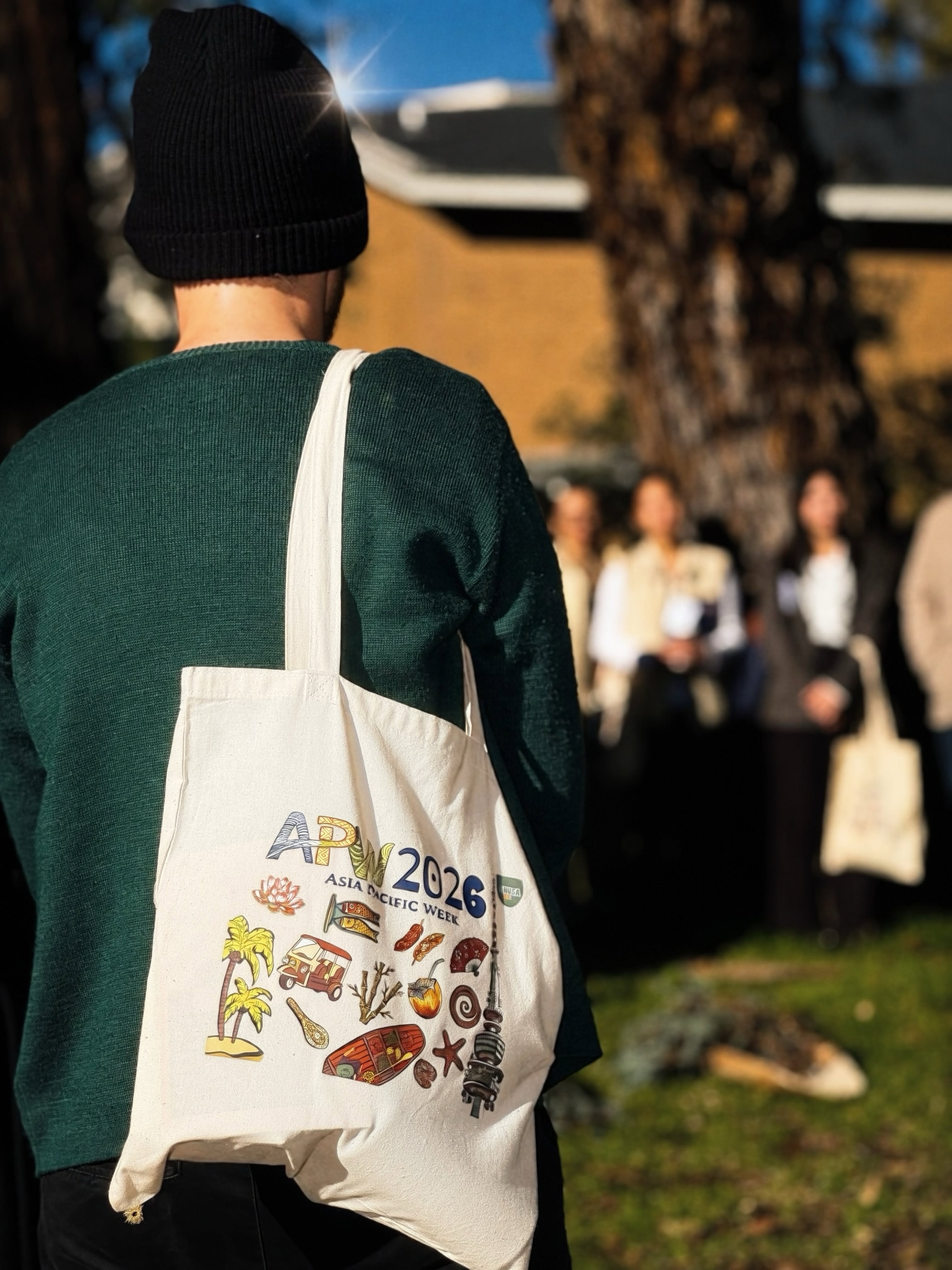
More than fifty emerging leaders from across the Asia Pacific gathered at The Australian National University (ANU) from 22 to 25 June for Asia Pacific Week (APW) 2026, a student-led conference that explores the region's biggest challenges while giving students the chance to lead an event with international reach.
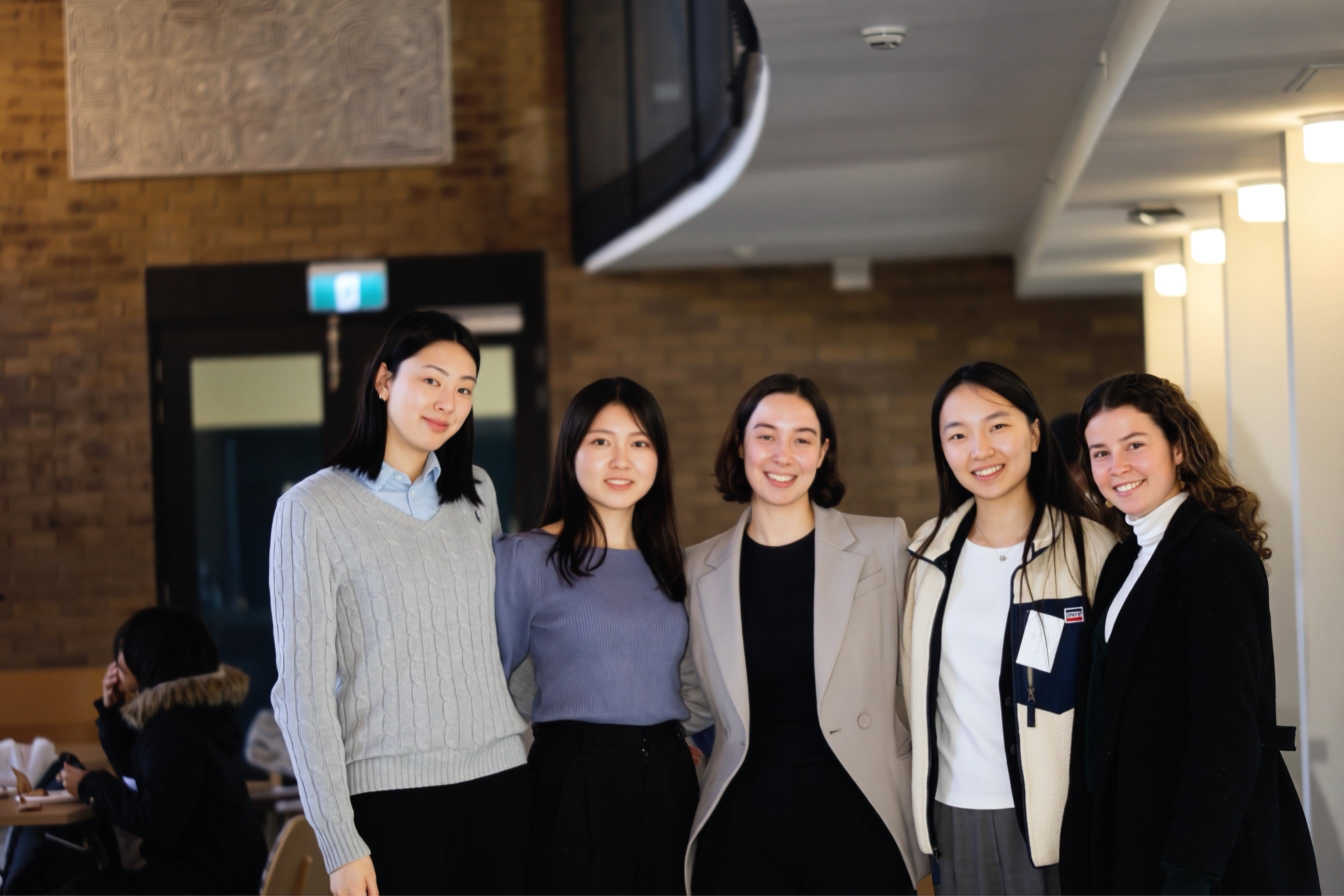
Organised by students undertaking the ASIA3023 Asia Pacific Week Internship at the ANU College of Asia and the Pacific (CAP), the four-day conference showcased one of the many opportunities available to students to gain practical experience beyond the classroom.
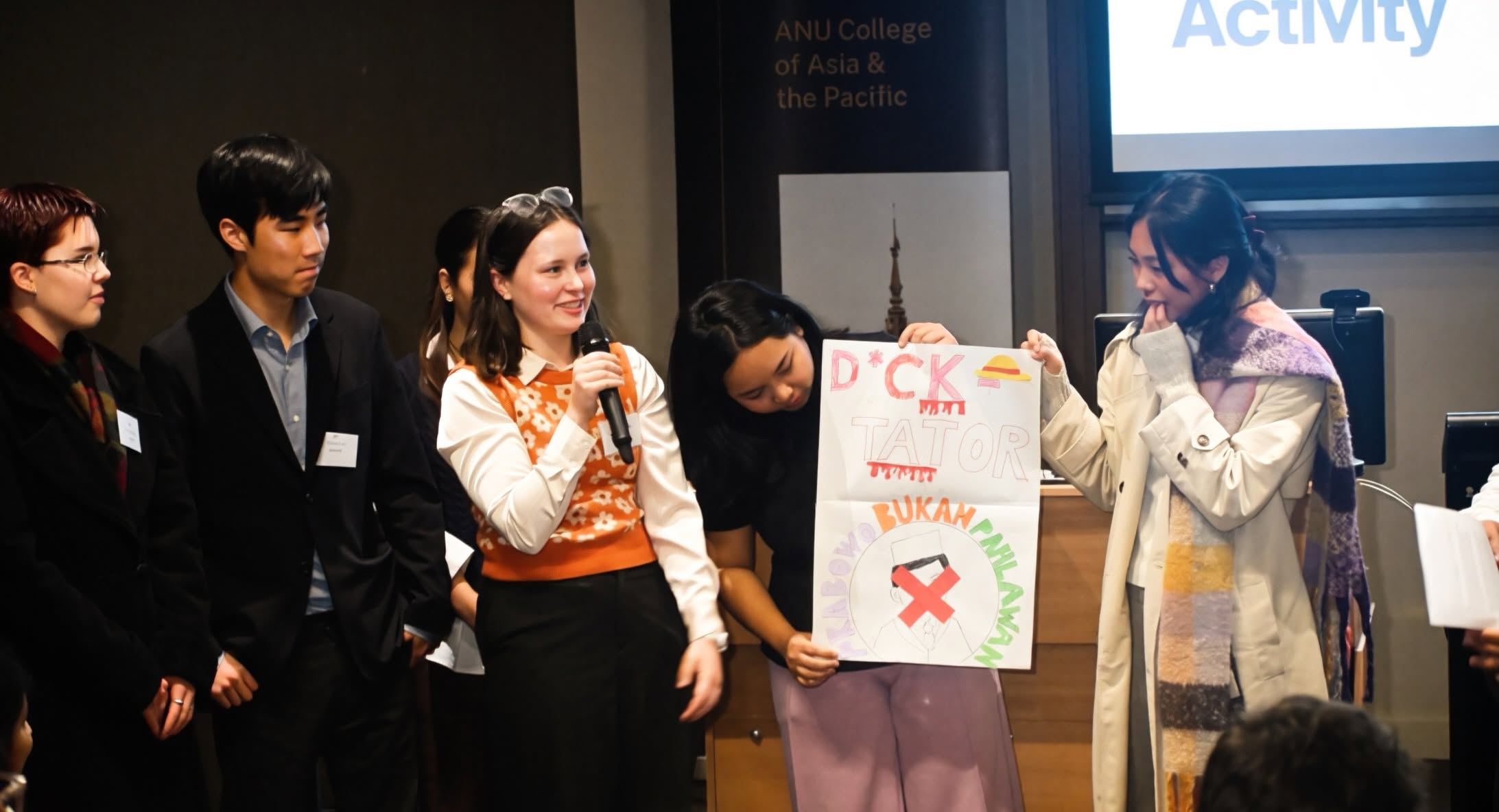
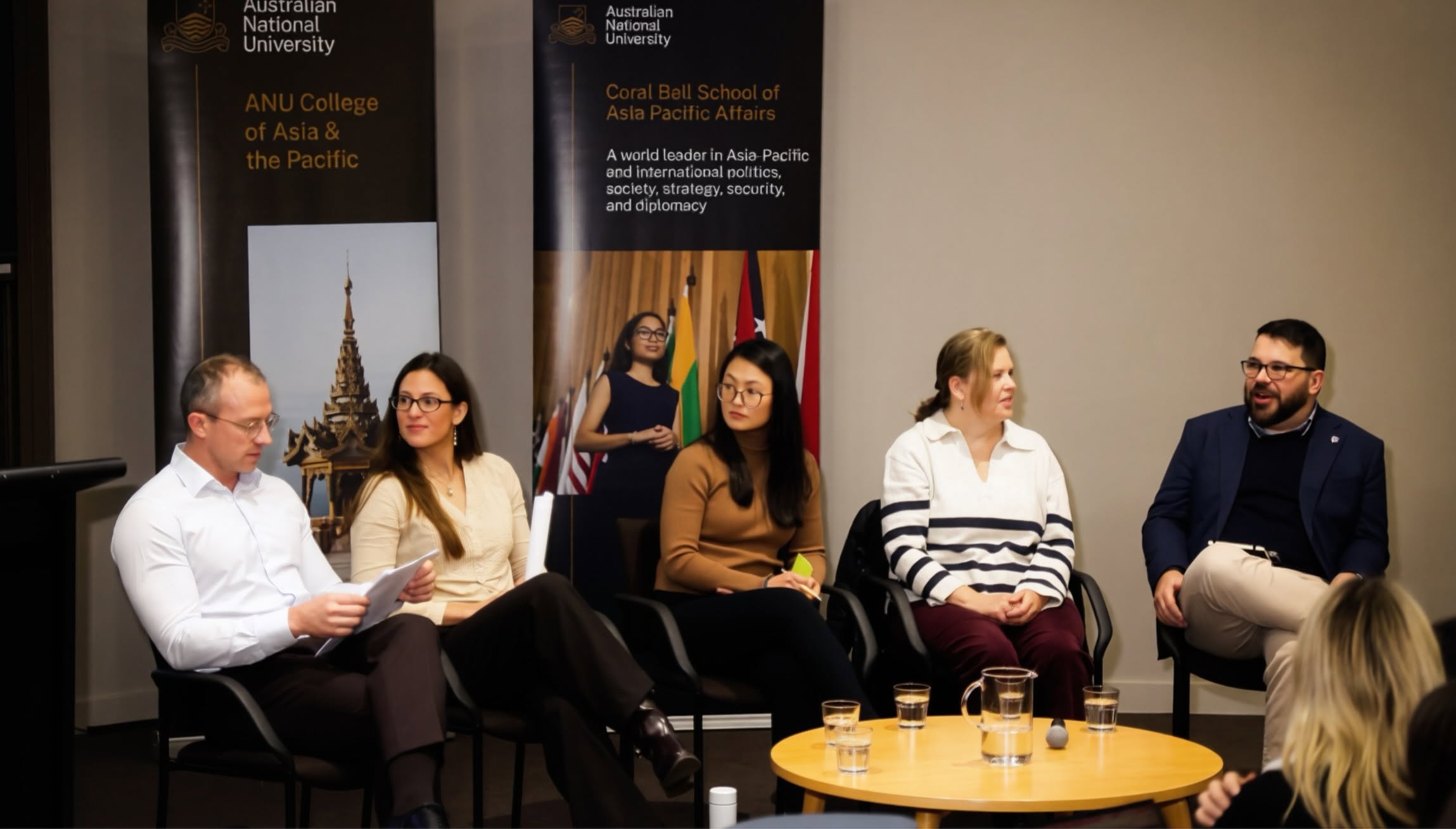
This year's theme, Regional Futures: Patterns & Possibilities, brought together delegates, academics, diplomats and policymakers to discuss issues including regional security, artificial intelligence, climate resilience, governance and diplomacy. Alongside keynote presentations and panel discussions, delegates took part in workshops, debates, cultural events and networking activities designed to encourage collaboration across borders.
Behind every session was a team of students who had spent the previous five months planning and delivering the conference.
For APW Director Rhianna Jones, who is completing a Bachelor of Philosophy (Honours) in Humanities and Social Sciences, the experience was about stepping outside her comfort zone and developing skills that couldn't be learned through lectures alone.
"Being on the committee really helps you develop new skills in a short period of time, whether that's project management, stakeholder engagement, organisation, teamwork or creative development," she says.
After joining the organising committee in 2025, she returned this year as Director to help shape the conference around the issues she was passionate about.
Delivering an international conference wasn't without its challenges. The student team coordinated more than 100 academics, diplomats and external guests while balancing the demands of university study.
"It took an incredible amount of logistical work to coordinate with so many speakers and create a schedule that worked for everyone," she says.
That level of responsibility is exactly what makes APW distinctive, according to Academic Convenor Dr Nicholas Hoare.
"When a conference is student-led, you get a program that reflects student interests and student concerns," Nick says. "The students also know how to balance serious academic discussion with activities that help people connect."
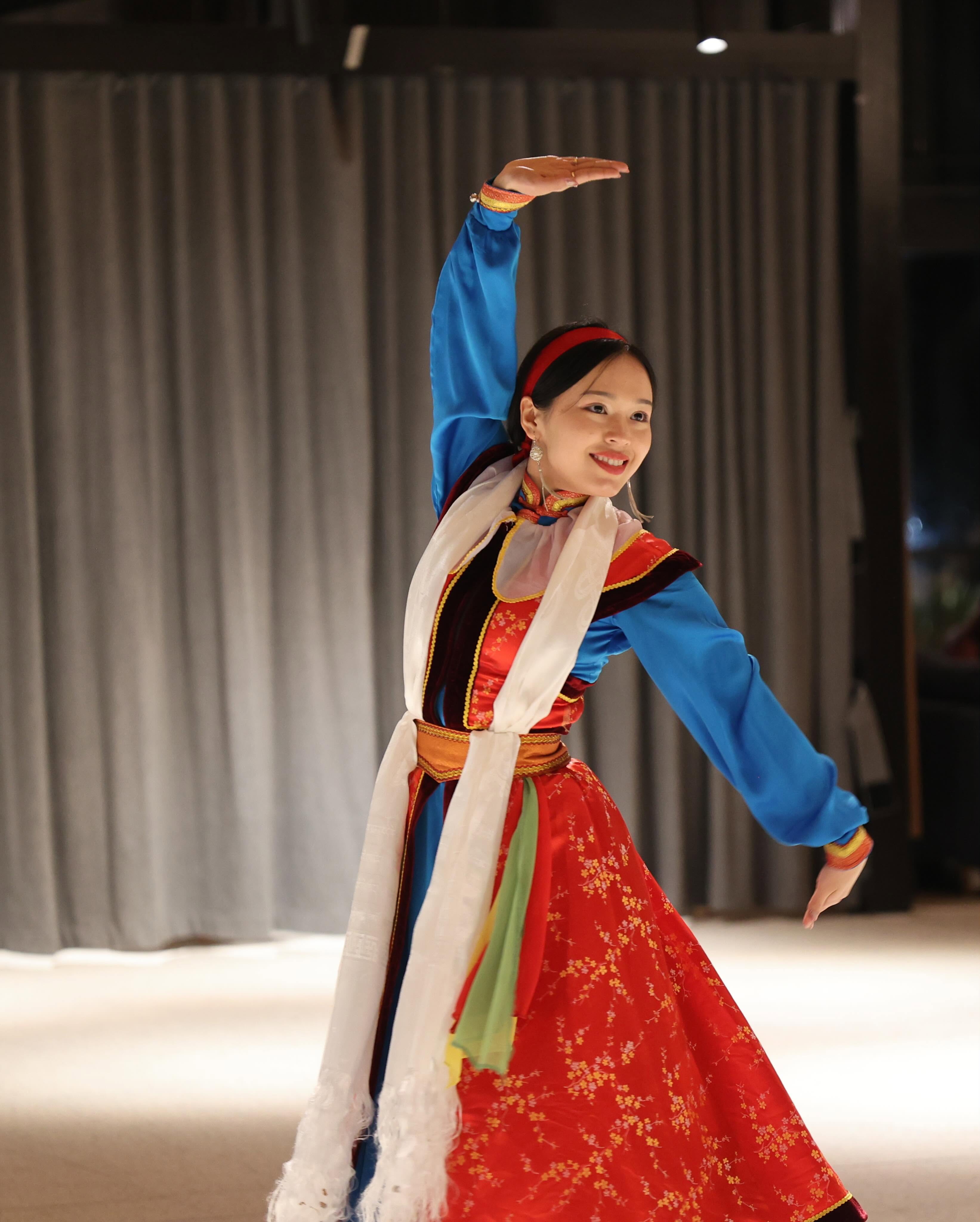
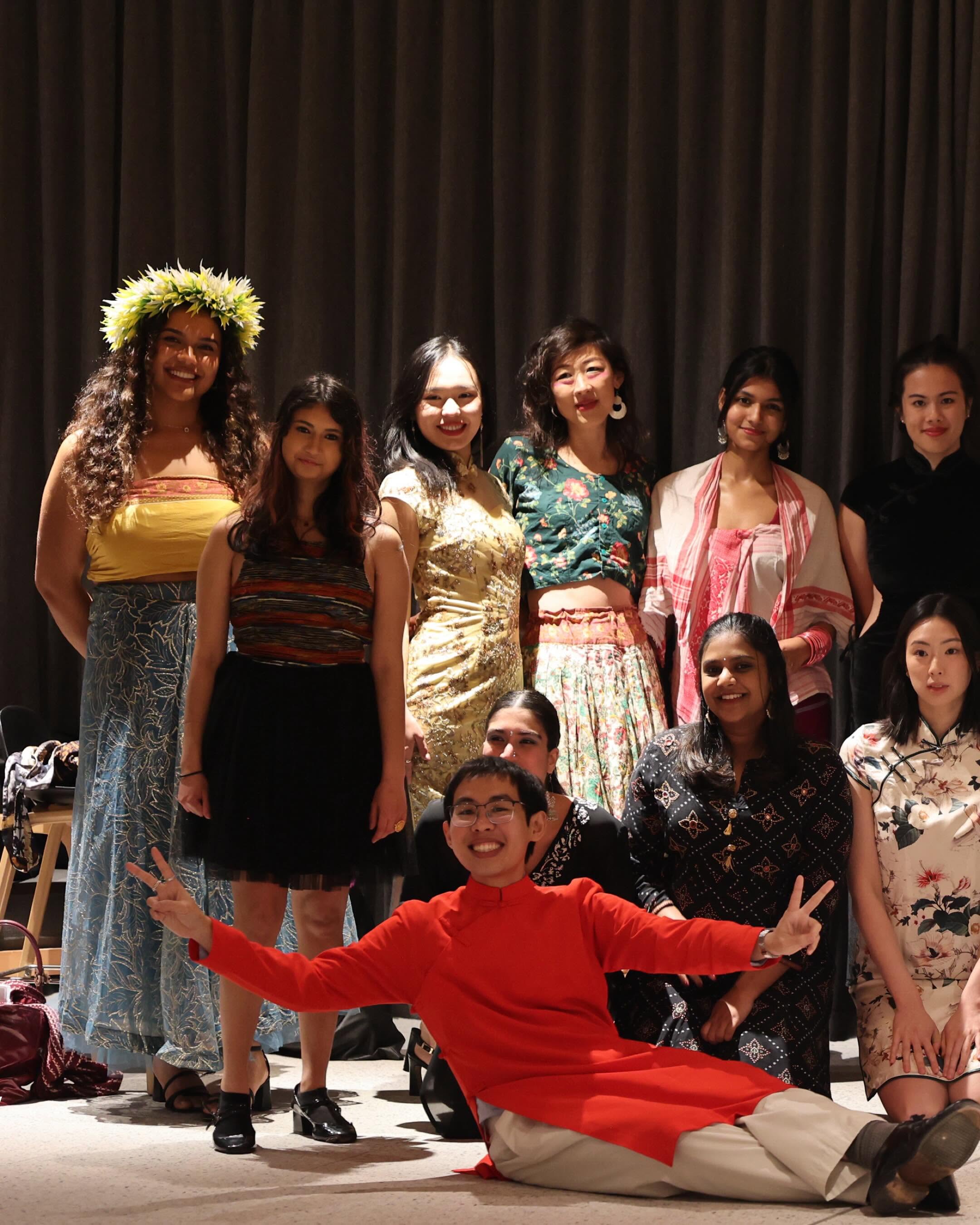
This year's committee introduced several new initiatives, including an Asia-Pacific fashion show and a student Three-Minute Thesis competition, demonstrating the creativity and confidence students bring to the conference each year.
"They showed little hesitation in coming up with brand-new activities," Nick says. "The skills students develop through this internship and the opportunities to make important decisions and demonstrate leadership make them incredibly competitive when they enter the workforce."
The conference also gave delegates a chance to experience the collaborative learning environment that defines CAP.
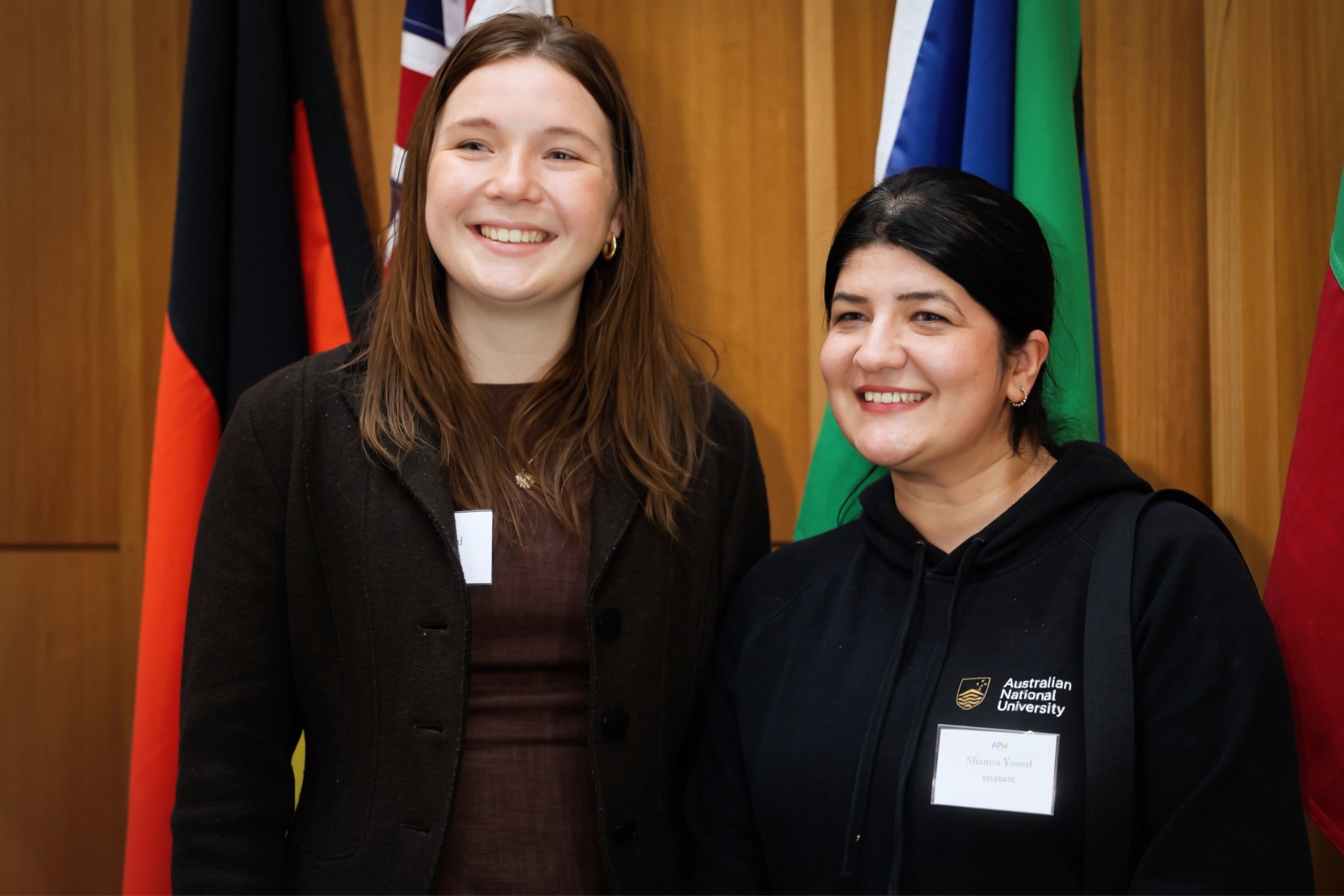
Among them was Ravi Pandit, a political consultant and democracy practitioner from Bihar, India, who travelled to Canberra to exchange ideas with students and professionals from across the region.
"I wanted to understand how countries across our region are responding to common challenges while sharing my own experiences of working on democracy at the grassroots level in India," Ravi says. "For me, APW was not simply a conference. It was an opportunity to build relationships across borders and understand how diverse societies can learn from one another."
Several sessions left a lasting impression, particularly discussions on youth participation, diplomacy and democratic resilience. But Ravi said some of the most valuable moments happened between the formal sessions.
"The people were the greatest strength of APW," he says. "Some of the most meaningful conversations happened over coffee, during meals or simply walking around the ANU campus. Those conversations reminded me that diplomacy is not only conducted by governments. It is also built through friendships, curiosity and mutual respect."
One of the conference highlights was the Women in Diplomacy Careers Chat, where senior diplomats from Cambodia, the Federated States of Micronesia, Sri Lanka and Nauru shared insights into careers in foreign affairs and international leadership.
For Rhianna, helping organise the session was one of the most rewarding parts of the internship.
"Bringing together female diplomats from across Asia and the Pacific is definitely something I wouldn't have had the opportunity to do in the classroom," she says. "It’s been an incredible experience that has built my confidence and given me a much clearer sense of where I want my career to go."
By the end of the week, delegates left Canberra with more than conference notes.
"I brought home friendships from across the Asia Pacific, new ideas, renewed optimism and a stronger belief in dialogue as a tool for addressing complex challenges," Ravi says.
Looking back, he believes one moment captured the spirit of Asia Pacific Week.
"Watching people from different cultures laugh together, disagree respectfully and learn from one another may be one of the most powerful forms of diplomacy."
For students considering a future at the ANU College of Asia and the Pacific, Asia Pacific Week is just one example of the hands-on experiences that set a CAP education apart. By combining academic excellence with real-world opportunities to lead, collaborate and build international networks, students graduate prepared to make an impact across the Asia Pacific and beyond.
As delegates returned home and the organising committee reflected on months of planning, one thing was clear: Asia Pacific Week is more than a conference. It is a hands-on learning experience that empowers students to lead, connect and make an impact across the Asia Pacific.
Learn more about studying at CAP and the opportunities available to future students here.