When learning Indonesian becomes living it
A roadside food stall, a neighbour calling over the fence, a conversation with a Gojek driver, a street coming alive for Indonesia’s Independence Day: for Lily Kelsey, these everyday encounters have turned a language learned at The Australian National University (ANU) into something more than a subject.
A student at the ANU School of Culture, History & Language (CHL), within the ANU College of Asia and the Pacific (CAP), Lily began studying Bahasa Indonesia in her third year. What started with a search for a winter short course has since taken her from a three-week program in Salatiga to a year of study across Yogyakarta and Bandung, and earned her recognition as a New Colombo Plan Language Fellow.
Lily, who is completing a Bachelor of Politics, Philosophy and Economics and a Bachelor of International Security Studies (BINSS), initially saw Indonesian as an opportunity to add a language minor to her degree. An academic suggested the ACICIS Indonesian Language and Study Course (ILSC), which she attended in June 2024.
“I still had space to build an Indonesian language minor within my BINSS degree and the more I looked into it the more I liked the idea,” Lily says.
The three-week program sparked a passion that continued well beyond the summer break.
“Ultimately, I felt like I wasn’t finished learning Bahasa Indonesia,” she says.
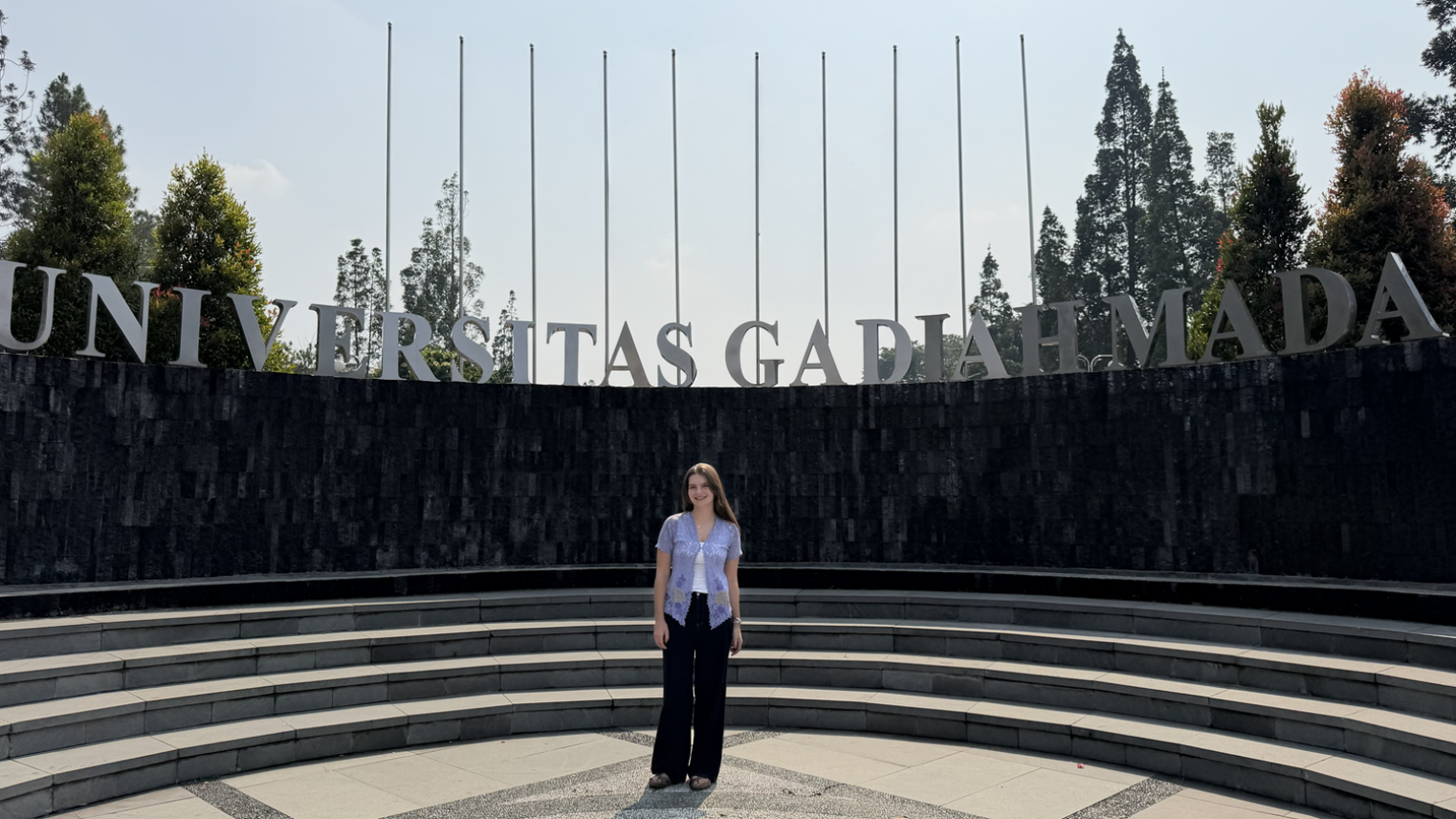
In 2025, Lily studied at Universitas Gadjah Mada in Yogyakarta through the ACICIS Flexible Language Immersion Program (FLIP). Her wider study experience also included Year in Asia, through which she studied at Universitas Gadjah Mada and Universitas Katolik Parahyangan in Bandung and undertook a research project in Bahasa Indonesia, known in Indonesia as a skripsi.
But some of the most significant learning has happened outside formal study.
At ANU, Lily learned the term kaki lima, literally “five feet”, used for roadside stalls. In Indonesia, she began buying food and drinks from them herself. A word once encountered in class had become part of her everyday life, carrying a cultural context that a classroom alone could not fully convey.
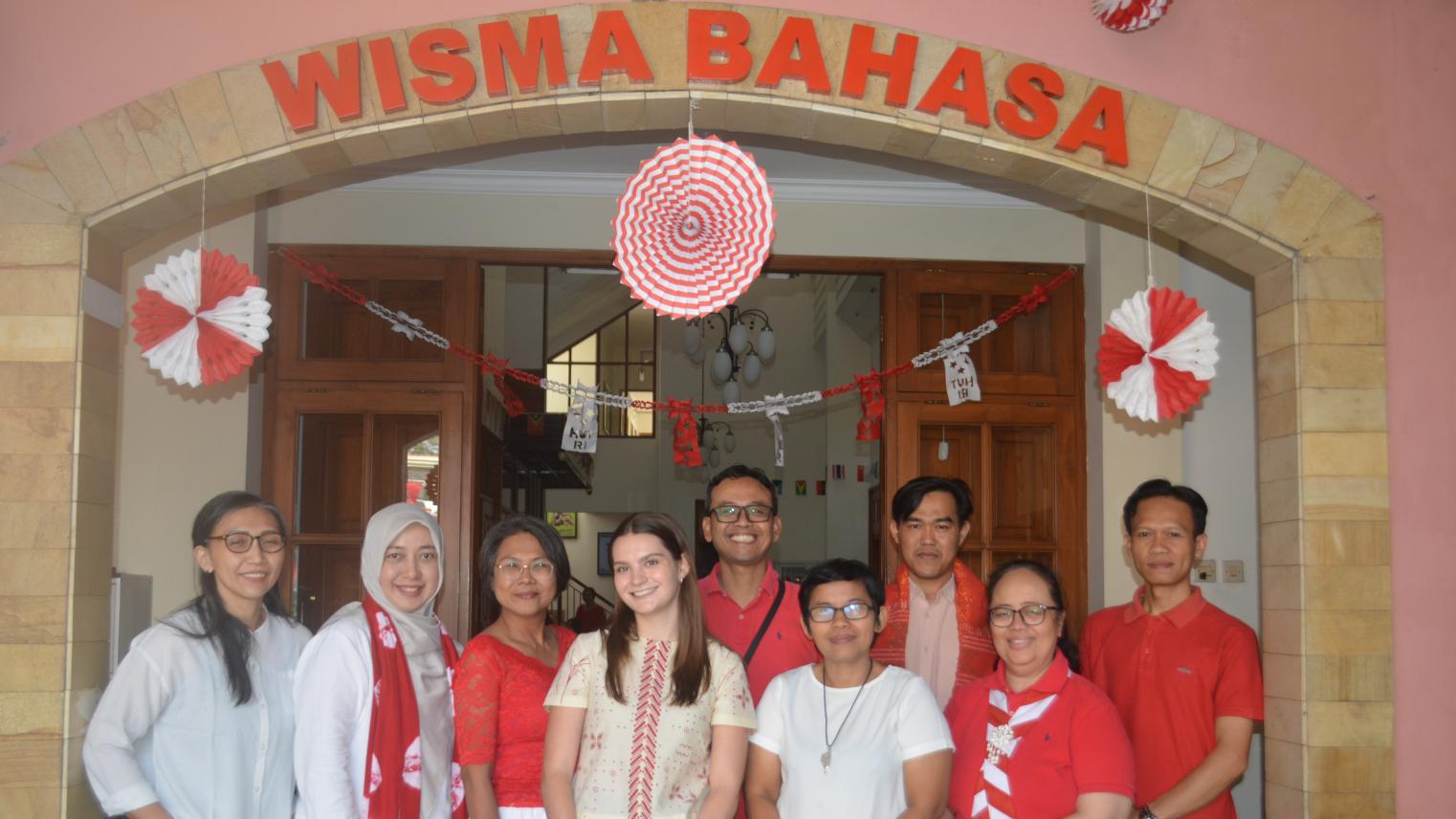
In Yogyakarta, she also watched her neighbourhood come together for Indonesia’s Independence Day, with streets decorated and residents gathering for traditional games and shared meals.
“The ability to use Bahasa Indonesia has significantly enhanced my ability to connect with all sorts of people daily,” she says.
Conversations with neighbours, local vendors and Gojek drivers have helped Lily build what she describes as “a home away from home”. They have also shown her how language can create connections that extend beyond the formal purpose of study.
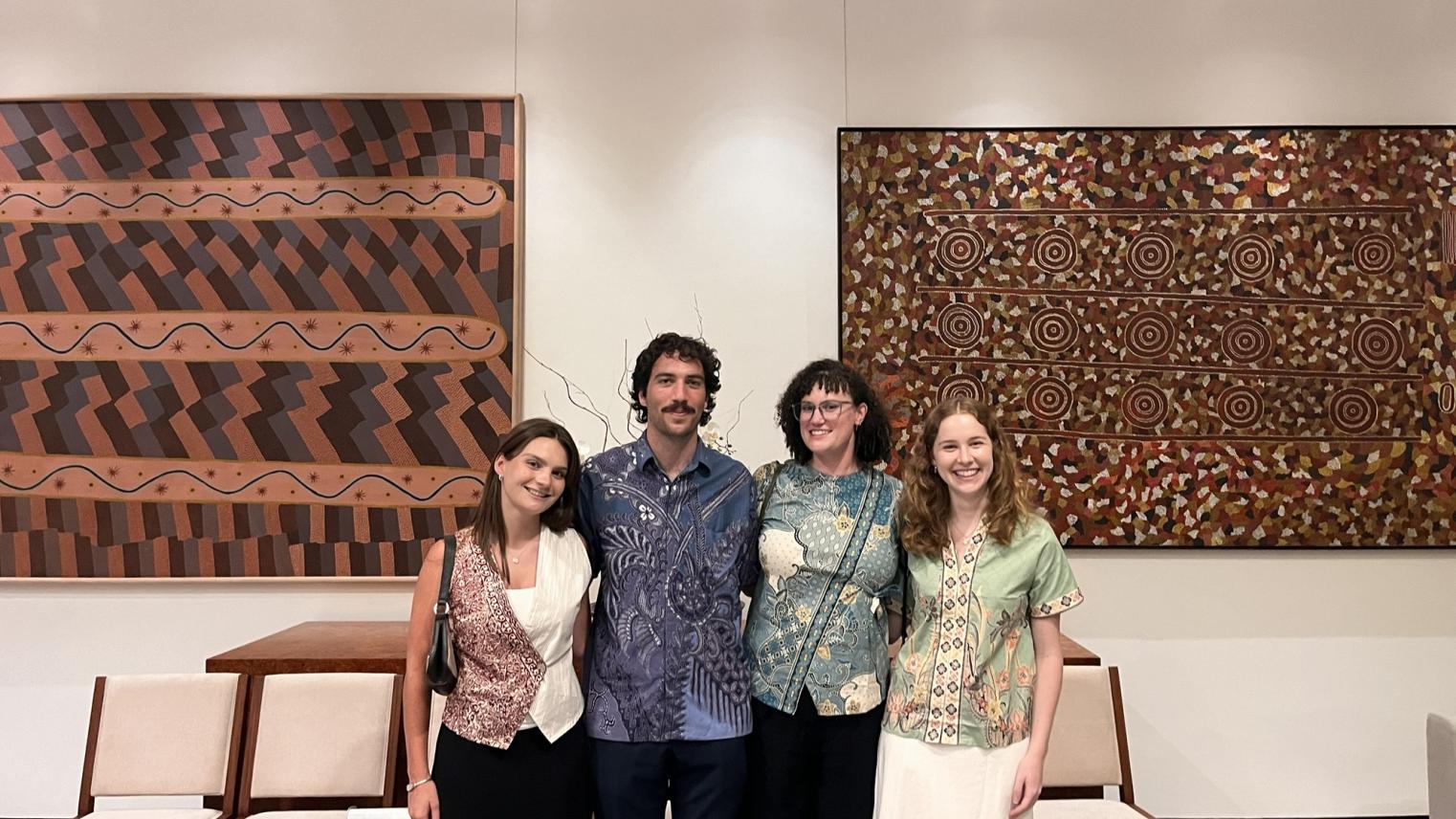
Her academic interests have travelled with her. An internship at the Indonesian Embassy in Canberra introduced her to conversations with H.E. Ambassador Dr Siswo Pramono, sparking an interest in trade between Australia and Indonesia. That interest contributed to her decision to study in Bandung, where she could explore Indonesia’s textile sector.
During her time overseas, Lily has also visited the Australian Embassy in Indonesia and undertaken a mentorship with Elizabeth McClean from DJAMU. The CAP Mobility and Global Programs Team have supported her while overseas, alongside access to insurance and emergency support through International SOS.
In 2026, Lily was selected as a New Colombo Plan Language Fellow. The recognition is particularly meaningful for someone who began studying Indonesian only in her third year at university.
“I hope that my now being the language fellow will encourage others to pick up the study of an Asian language regardless of their age or academic background,” she says.
Year in Asia
Explore the Year in Asia program and find application information on the program website.